
EICR & safety checks
Electrical Installation Condition Reports (EICRs) and safety checks for landlords, homeowners, buyers and businesses. A thorough inspection and test of your wiring, with a clear report and plain-English advice. Across Bristol, Bath and the South West.
What an EICR is
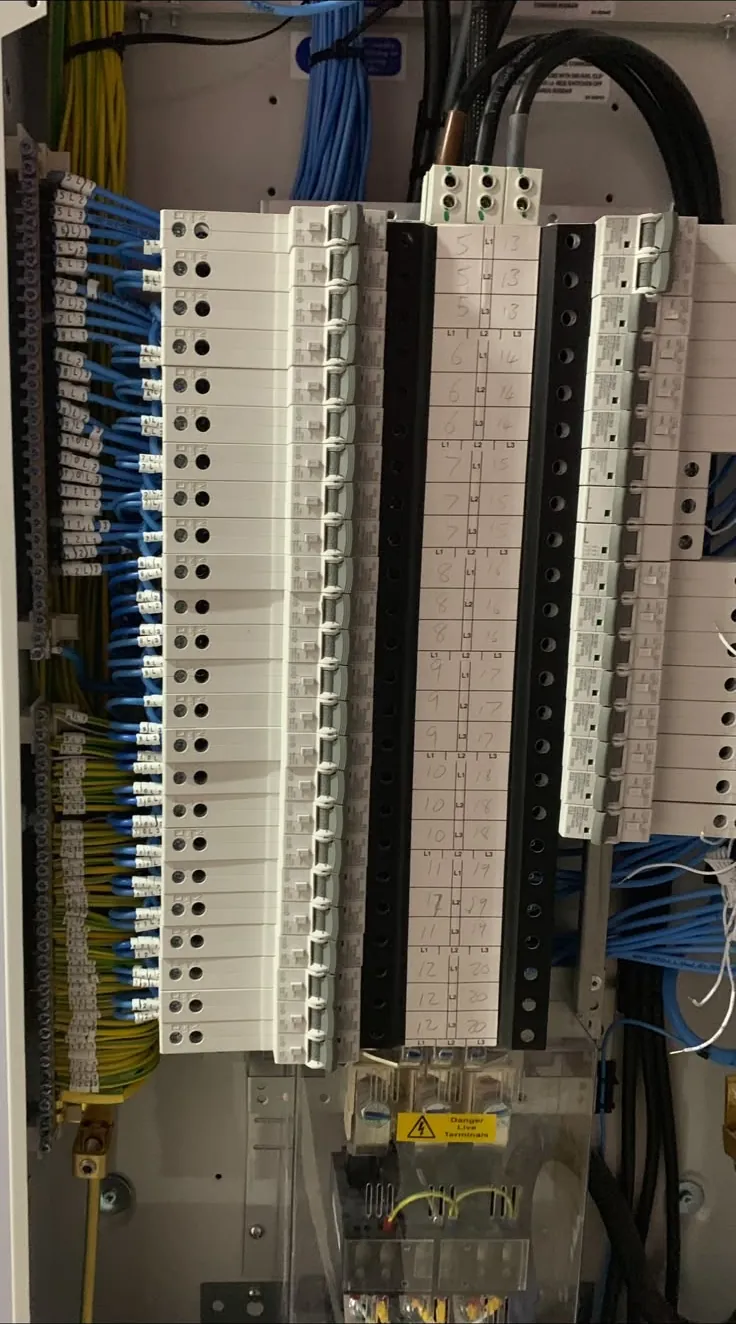
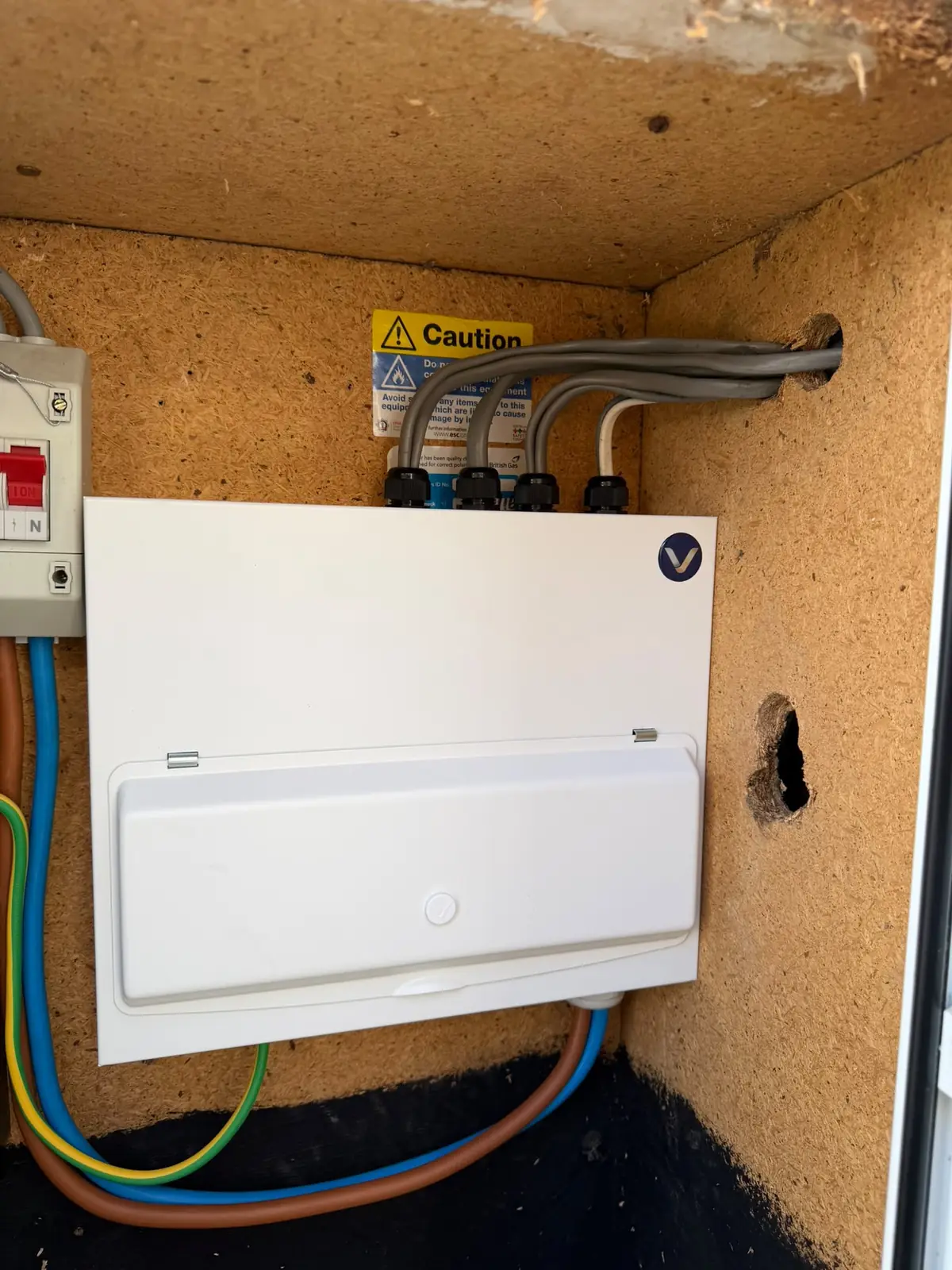
An EICR (Electrical Installation Condition Report) is a detailed inspection and test of the fixed wiring in a property: the consumer unit, circuits, sockets, switches, light fittings and earthing and bonding. It checks the installation against BS 7671, the IET Wiring Regulations (18th Edition), and records anything unsafe or worn.
An EICR is an inspection and test, not a certificate for new work. It doesn't cover plug-in appliances, and it doesn't fix anything. It tells you the condition your installation is in and what, if anything, needs doing.
Who needs one
- Landlords. Private landlords in England must have an EICR at least every five years and give a copy to their tenants, under the Electrical Safety Standards in the Private Rented Sector (England) Regulations 2020. There's more for landlords and letting agents on their own page.
- Buyers and sellers. A report shows what you're taking on.
- Homeowners. Having one about every ten years is commonly advised, and sooner in an older property.
- Businesses and landlords of commercial premises, who have duties under the Electricity at Work Regulations 1989 to keep installations safe.
- Anyone whose property has been flooded, or has had major building work.
Running a shop, office, school, care home or block of flats? Commercial inspections have their own intervals, out-of-hours testing and report requirements, so we've put everything about them on one page. See commercial EICR and fixed wire testing.
What the inspection involves
- A visual inspection of the consumer unit, wiring, accessories and earthing, looking for damage, overheating and wear.
- Dead testing with the power off, including continuity and insulation resistance on each circuit.
- Live testing, including checking that RCDs trip as they should.
- A sample of sockets, switches and fittings opened up and checked, as is normal practice.
The power is off for parts of the visit while circuits are tested, usually a circuit at a time rather than all day. We can check smoke and heat alarms at the same visit, along with general safety checks.
Understanding the report
Each issue found is recorded as an observation with a code:
- C1: danger present. Needs putting right straight away.
- C2: potentially dangerous. Needs putting right urgently.
- C3: improvement recommended. Not unsafe, but worth considering.
- FI: further investigation needed.
Any C1, C2 or FI makes the overall report unsatisfactory. Landlords must have that remedial work or investigation done within 28 days, or sooner if the report says so, and get written confirmation it's complete.
What affects the cost
We don't publish set prices. The main things that make a difference are the size of the property, the number of circuits, the age and condition of the installation, how easy it is to get to the consumer unit and accessories, and whether a previous report exists to work from. Any remedial work is quoted separately, and you get a clear quote before any work starts.
What happens on the day
- We agree a time and tell you roughly when the power will be off.
- We inspect and test each circuit.
- We talk you through what we found before we leave.
- You get the written report, with any observations explained in plain language.
Why choose us
Fully qualified & insured
Your inspection is carried out by a qualified electrician, and every job is fully insured.
High standards of workmanship
Thorough testing and a clear, accurate report.
Customer satisfaction our priority
Honest coding. We only record what's really there.
Excellent service from start to finish. The electrician was professional, friendly, and arrived promptly. We needed a new socket installed, and the work was carried out quickly and efficiently. Everything was left clean and tidy, and the quality of the work was excellent. We’re very pleased with the result and would highly recommend their services to anyone looking for a reliable and professional electrician.
EICR questions
How often does a landlord need an EICR?
In England, private landlords must have the electrical installation inspected and tested at least every five years, or sooner if the last report says so. You must give a copy to existing tenants within 28 days, to new tenants before they move in, and to the local council within seven days if they ask for it.
What happens if the report is unsatisfactory?
The report lists each problem with a code. C1 and C2 items, and anything marked FI, need putting right. We'll explain each one and give you a clear quote for the remedial work. Landlords must have it done within 28 days, or sooner if the report says so.
How long does an EICR take?
A typical house usually takes a few hours. Larger properties, older installations, or ones with many circuits take longer. We'll give you an idea of timings when you book.
Will the power be off?
For parts of the visit, yes. Some tests can only be done with the power off, so circuits are switched off in turn while they're tested. We'll tell you before we switch anything off, and computers and other sensitive equipment should be shut down first.
Is an EICR the same as a certificate?
No. An EICR reports on the condition of an existing installation. New work, such as a new circuit or consumer unit, gets its own certificate when it's finished. An EICR doesn't replace that, and it doesn't cover plug-in appliances.
Get a free quote
Tell us about the property and we'll arrange the inspection, with a clear quote for any remedial work before it starts.